
Australia is known for its beautiful beaches, vibrant cities, and long sunny days — but it’s also famous for intense summer heat. From dry inland regions to humid coastal areas, staying comfortable during peak temperatures can be a real challenge. Many households rely on traditional air conditioning systems, but rising electricity costs and installation expenses have encouraged people to look for alternative cooling solutions.
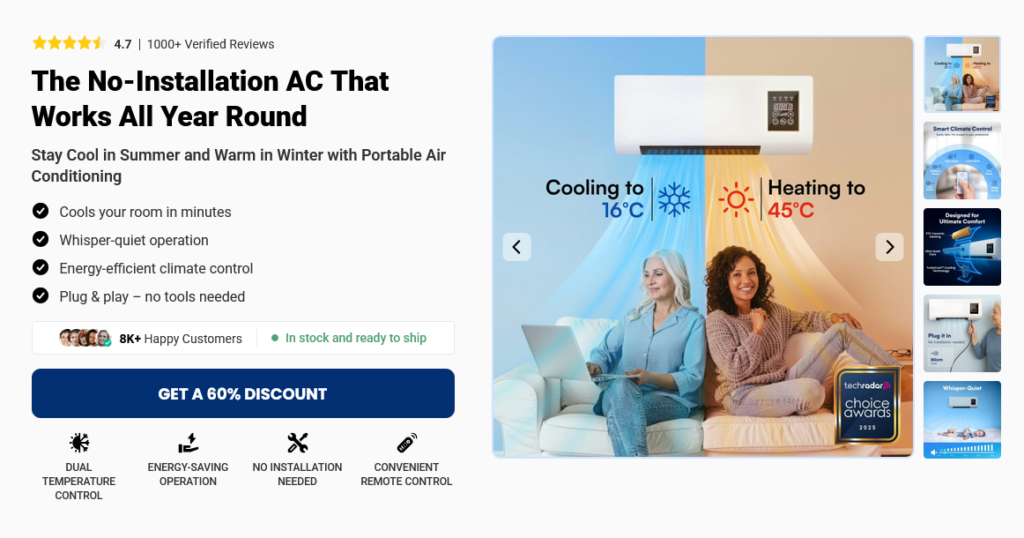
That’s where the EpiCooler Portable AC Australia has gained attention. Designed as a compact and energy-conscious cooling device, EpiCooler aims to provide targeted relief without the high running costs of conventional air conditioning units. In this detailed article, we’ll explore how it works, who it’s best suited for, its advantages, limitations, and whether it’s a practical option for Australian homes.
Why Cooling Solutions Matter in Australia
Australian summers can be extreme. Cities like Sydney, Melbourne, Brisbane, Perth, and Adelaide regularly experience heatwaves where temperatures climb well above 35°C. In some inland regions, it can exceed 40°C. Prolonged exposure to heat can cause discomfort, fatigue, poor sleep quality, and reduced productivity.
Traditional split-system or ducted air conditioning works well, but:
- Installation can be expensive
- Power consumption can significantly increase electricity bills
- Not all rental properties allow permanent installations
- Some homes lack proper insulation
Portable cooling devices are becoming increasingly popular because they offer flexibility and affordability.
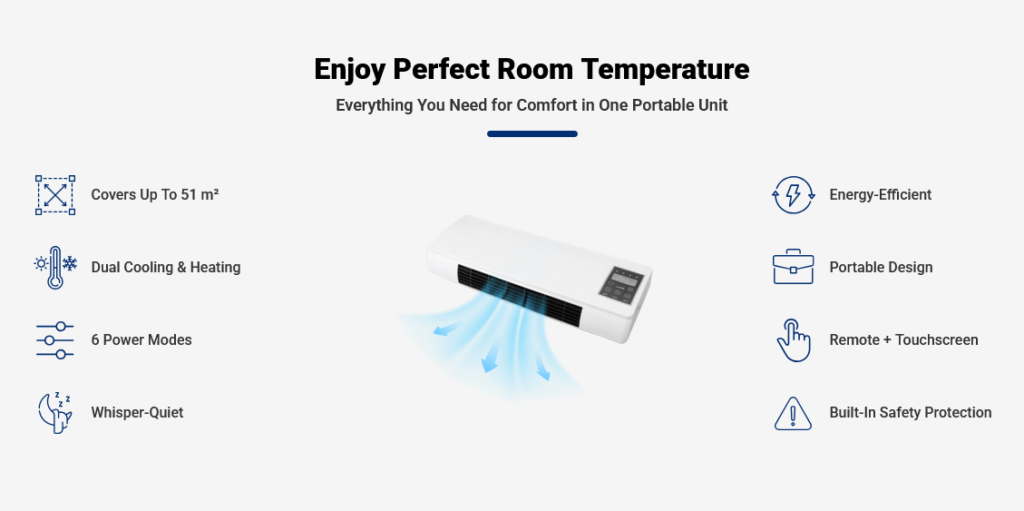
What Is EpiCooler Portable AC?
EpiCooler Portable AC is marketed as a compact, plug-and-play cooling device designed for personal or small-room use. Unlike heavy window AC units or full-home systems, it focuses on localized cooling.
It is typically built using evaporative cooling technology. Rather than using refrigerants and compressors like traditional air conditioners, it uses water evaporation to cool air before releasing it back into the room.
The goal is to create a comfortable micro-environment around the user rather than cooling an entire large house.